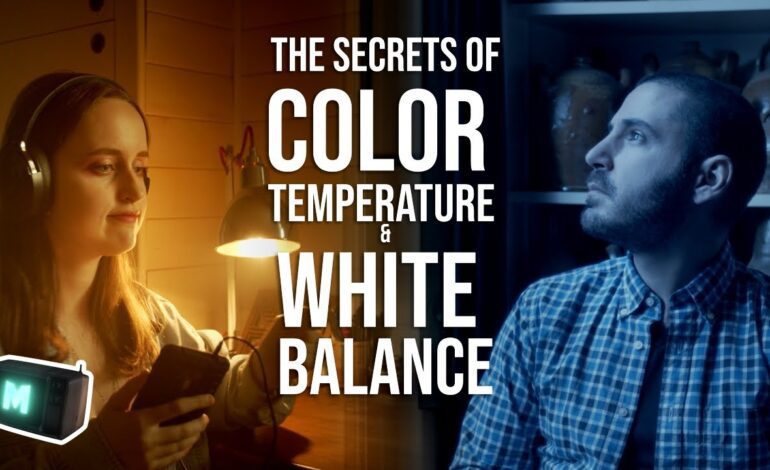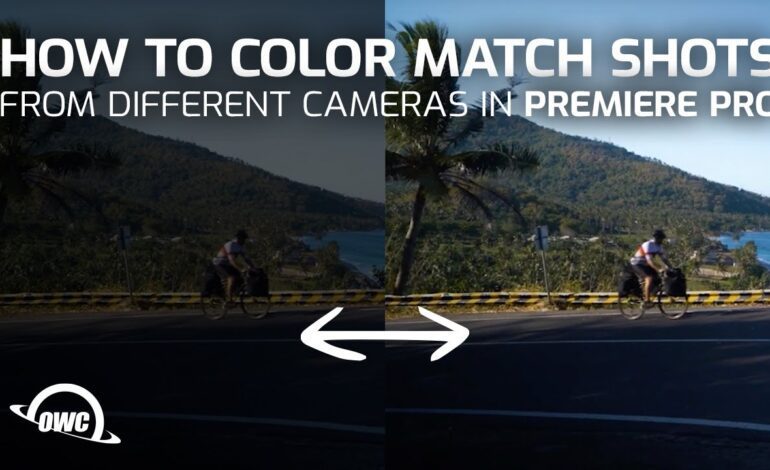

Modern filmmaking is no longer limited to Hollywood studios. With advanced editing software, powerful cameras, and creative grading tools, creators can now reproduce iconic cinematic aesthetics from their home studios. In 2026, audiences expect polished visuals, emotional storytelling, and distinctive tones that separate average content from professional productions.
One of the biggest factors behind this transformation is color grading. The right film look can shape mood, guide attention, and create a memorable viewing experience. Whether you are editing YouTube videos, short films, commercials, or documentaries, understanding cinematic styles can dramatically improve your content quality.
Below are some of the most popular film looks dominating the creative industry today and practical ways to recreate them effectively.
The Teal and Orange Blockbuster Style
Why This Look Remains Popular
The teal and orange aesthetic continues to dominate action films, trailers, and commercial advertisements because it creates strong contrast between skin tones and backgrounds. Warm orange tones enhance human subjects, while cool teal shades add depth and cinematic atmosphere.
This combination naturally attracts viewer attention and produces a polished Hollywood appearance.
How to Recreate It
Start by adjusting the white balance slightly cooler than normal. Push shadows toward teal or cyan while keeping highlights warm. Increase contrast carefully without crushing black details.
To strengthen the effect:
- Boost orange saturation selectively
- Reduce green contamination in midtones
- Use soft bloom effects for highlights
- Add subtle sharpening for clarity
Applications like Adobe Premiere Pro, DaVinci Resolve, and Final Cut Pro offer color wheels and curves that simplify this workflow.
The Moody Desaturated Drama Look
Creating Emotional Depth Through Color
Dramatic storytelling often relies on muted palettes and soft contrast. Crime thrillers, emotional dramas, and psychological films frequently use desaturated tones to establish tension and realism.
This visual style creates a grounded atmosphere while emphasizing expressions and storytelling over vibrant visuals.
Techniques for Better Results
Reduce overall saturation moderately while preserving natural skin tones. Lower highlight intensity and soften contrast for a cinematic texture.
Key adjustments include:
- Faded blacks for a filmic appearance
- Slight green or blue tint in shadows
- Controlled exposure with soft lighting
- Fine grain overlays for authenticity
Avoid removing all color completely. Maintaining subtle tonal variation keeps footage visually engaging.
Vintage Film Aesthetics Inspired by Analog Cinema
Bringing Nostalgia Into Digital Content
Retro-inspired grading has become increasingly popular across music videos, social media reels, and independent films. Vintage looks recreate the imperfections and warmth of traditional film stock.
These styles work exceptionally well for storytelling centered around memories, romance, or historical themes.
Steps to Achieve a Retro Finish
Use warm highlights combined with softer contrast. Introduce faded colors and slight grain textures to simulate old film cameras.
Important enhancements include:
- Lower digital sharpness
- Add halation or light bloom
- Use subtle vignette effects
- Shift whites slightly toward cream tones
Film emulation LUTs can accelerate the process, but manual adjustments usually provide more natural results.
Dark Cinematic Looks for Thriller Productions
Building Suspense With Shadows
Modern thrillers often rely on deep shadows and limited color palettes to create mystery and emotional intensity. This style emphasizes darkness without losing important visual information.
The key is balancing visibility with mood.
Professional Editing Strategies
Lower exposure slightly and enhance contrast in darker regions. Push shadows toward cool tones such as blue or cyan while keeping highlights neutral.
To maximize cinematic impact:
- Use directional lighting during filming
- Preserve shadow detail carefully
- Apply selective sharpening only to subjects
- Avoid excessive noise reduction
Controlled darkness feels cinematic, while overly crushed blacks can appear amateurish.
Bright Commercial Looks for Lifestyle Content
Clean and Vibrant Visual Presentation
Brands, influencers, and travel creators frequently use bright cinematic grading because it appears energetic and visually appealing. This approach works especially well for fashion, tourism, fitness, and product marketing.
The goal is creating clean visuals with rich yet balanced colors.
How Editors Produce This Style
Increase brightness without overexposing highlights. Enhance vibrancy selectively instead of oversaturating the entire frame.
Best practices include:
- Warm natural skin tones
- Crisp white balance adjustments
- Soft contrast with bright mids
- Controlled sharpening for clarity
Natural lighting plays a major role in achieving this polished appearance.
The Bleach Bypass Action Film Effect
High Contrast With Reduced Saturation
Originally developed through chemical film processing, bleach bypass became iconic in action cinema because of its gritty texture and dramatic intensity.
The look combines harsh contrast with reduced color richness, creating an edgy cinematic atmosphere.
Editing Workflow Tips
Decrease saturation while aggressively increasing contrast. Keep blacks strong and highlights pronounced.
Additional improvements include:
- Metallic color tones
- Enhanced texture clarity
- Controlled grain overlays
- Cool overall temperature adjustments
This style works particularly well for urban sequences and high-energy storytelling.
Dreamy Soft Looks for Romantic Visuals
Creating Gentle and Emotional Imagery
Romantic films and wedding cinematography often feature soft highlights, warm tones, and glowing textures. These visuals feel elegant, emotional, and visually soothing.
Soft cinematic grading enhances emotional storytelling without distracting viewers.
Achieving the Effect Naturally
Use diffused lighting whenever possible. Lower sharpness slightly and soften highlight roll-off.
Effective enhancements include:
- Warm golden highlights
- Slight pastel color grading
- Reduced contrast
- Lens diffusion or glow effects
Avoid excessive blur, which can make footage appear outdated.
LUTs vs Manual Color Grading
Understanding the Difference
Many beginners rely entirely on LUTs, but professional editors combine LUTs with manual corrections for superior results.
LUTs provide a starting point, while manual grading refines exposure, skin tones, and balance.
For the best workflow:
- Correct exposure first
- Balance white levels
- Apply LUT carefully
- Fine-tune colors manually
- Add finishing cinematic effects
This layered process produces more realistic and professional outcomes.
Lighting Matters More Than Color Grading
Why Great Footage Starts Before Editing
Even the best grading techniques cannot fully repair poorly lit footage. Professional cinematography depends heavily on lighting direction, exposure control, and scene composition.
Before editing:
- Use soft natural light whenever possible
- Avoid mixed color temperatures
- Shoot in flat or log profiles
- Maintain consistent exposure
Better source footage gives editors greater creative flexibility during post-production.
Final Thoughts
Cinematic grading continues evolving in 2026, but the core principle remains unchanged: every film look should support the story being told. Popular styles like teal and orange, vintage film emulation, moody drama grading, and bright commercial aesthetics all serve different emotional purposes.
Instead of copying trends blindly, focus on understanding why each look works. Experiment with lighting, contrast, saturation, and texture until your visuals develop a recognizable identity.
The most effective cinematic style is not necessarily the most dramatic one — it is the one that enhances emotion, guides viewer attention, and strengthens storytelling naturally.
By mastering these popular film looks and refining your workflow, you can transform ordinary footage into visually compelling cinematic content that stands out across modern digital platforms.