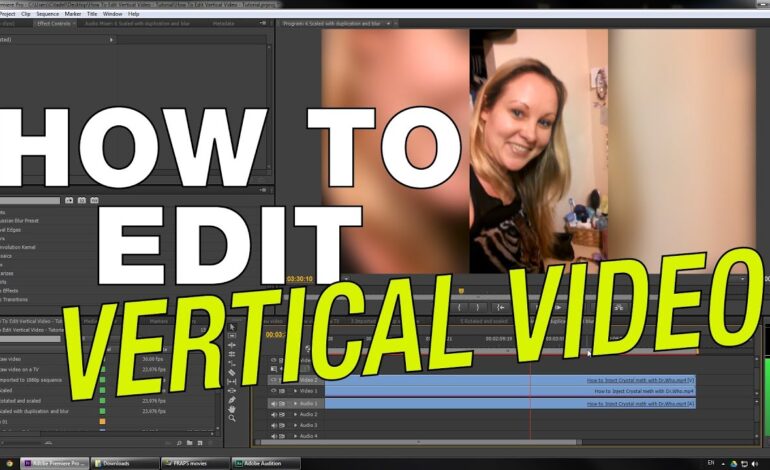

Audio quality can make or break a YouTube video. Viewers may forgive minor visual imperfections, but poor sound often causes them to click away within seconds. One of the biggest challenges creators face is finding the right balance between background music and spoken dialogue. When music is too loud, it distracts from the message. When it is too quiet, the video can feel flat and lifeless.
Achieving the perfect mix helps your audience stay engaged, improves watch time, and creates a more professional viewing experience. Whether you create tutorials, vlogs, gaming content, reviews, or educational videos, understanding how to balance music and voice is a skill that can significantly improve your channel.
Why Audio Balance Matters More Than Ever
YouTube’s competition continues to grow in 2026. Millions of videos are uploaded daily, making viewer retention a key ranking factor. Clear dialogue allows audiences to absorb your message without effort, while well-placed music enhances emotions and keeps viewers interested.
When audio levels are properly balanced, your content becomes easier to follow, more enjoyable to watch, and more likely to generate positive engagement. Good sound quality also increases the chances of viewers subscribing and returning for future videos.
Understanding the Roles of Voice and Background Music
Before adjusting volume levels, it helps to understand the purpose of each audio element.
Voice Tracks
Your voice carries the main information in the video. It should always remain the most prominent sound element. Whether you are narrating, teaching, entertaining, or storytelling, viewers need to hear every word clearly.
Background Music
Music supports the mood and energy of your content. It can create excitement, tension, inspiration, or relaxation. However, it should complement your voice rather than compete with it.
Think of music as a supporting actor, while your voice is the star of the production.
The Ideal Volume Levels for YouTube Videos
While exact settings vary depending on content type, many professional editors follow a simple rule:
- Voice audio: -6 dB to -3 dB
- Background music: -30 dB to -20 dB beneath dialogue
- Sound effects: Balanced slightly below voice levels
These settings provide a strong starting point and can be adjusted based on the mood and style of your video.
For educational content, lower music levels often work best. Entertainment and cinematic videos may allow slightly louder background tracks while maintaining speech clarity.
Choose the Right Music for Better Clarity
Not all music works well under spoken content. Some tracks contain heavy vocals, aggressive drums, or complex melodies that interfere with dialogue.
When selecting music:
- Choose instrumental tracks whenever possible.
- Avoid songs with competing vocals.
- Use simple arrangements during speaking segments.
- Match the music’s energy to your content’s tone.
- Test multiple tracks before making a final decision.
A subtle instrumental track often delivers better results than a popular song that overwhelms the narration.
Use Audio Ducking for Professional Results
One of the most effective techniques used by professional editors is audio ducking.
What Is Audio Ducking?
Audio ducking automatically lowers the volume of background music whenever someone speaks. When the dialogue stops, the music gradually returns to its normal level.
This creates a smooth listening experience without requiring constant manual adjustments.
Most modern editing programs support audio ducking, including:
- Adobe Premiere Pro
- Final Cut Pro
- DaVinci Resolve
- Filmora
- Camtasia
Using this feature can instantly improve the professionalism of your videos.
Enhance Voice Quality Before Adjusting Music
Many creators focus on lowering music volume while ignoring voice quality. However, a weak voice recording will remain difficult to hear regardless of music levels.
Improve dialogue by:
- Recording in a quiet environment.
- Using a dedicated microphone.
- Removing background noise.
- Applying light compression.
- Adding subtle equalization.
A clean voice track requires less volume boosting and sits naturally above the music.
Monitor Audio with Headphones
Laptop speakers and phone speakers can be misleading when editing.
Professional creators regularly monitor audio using headphones because they reveal details that standard speakers may hide.
During editing, listen carefully for:
- Words that become difficult to understand.
- Sudden volume spikes.
- Distracting musical elements.
- Inconsistent sound levels.
Testing with different devices ensures viewers receive a consistent experience regardless of how they watch your content.
Adjust Music Throughout the Video
Many beginners use a single volume level for the entire video. This often produces uneven results.
Instead, adjust music according to each scene.
For example:
- Lower music during tutorials and explanations.
- Increase music slightly during montages.
- Use stronger tracks during transitions.
- Reduce volume during important announcements.
Dynamic audio mixing creates a more engaging viewing experience and helps maintain audience attention.
Common Audio Mixing Mistakes to Avoid
Even experienced creators occasionally make audio mistakes. Watch out for these common issues:
Music Overpowers Dialogue
This is the most frequent problem on YouTube. If viewers struggle to understand your words, the music is likely too loud.
Inconsistent Audio Levels
Sudden changes in volume can feel unprofessional and distract viewers.
Excessive Compression
Over-processing audio can make voices sound unnatural and fatiguing.
Ignoring Mobile Users
Many viewers watch on smartphones. Always test your audio mix on mobile devices before publishing.
Using Poor-Quality Audio Sources
Low-quality music files can introduce unwanted noise and reduce overall production value.
Test Before Publishing
Before uploading your video, perform a final audio review.
Watch the entire video from start to finish and ask yourself:
- Can every word be understood clearly?
- Does the music support the content?
- Are there any distracting volume changes?
- Does the mix sound natural across different devices?
Taking a few extra minutes for quality control can dramatically improve viewer satisfaction.
Final Thoughts
Balancing music and voice in YouTube videos is one of the most valuable editing skills a creator can develop in 2026. Clear dialogue keeps viewers engaged, while carefully mixed music enhances emotion and storytelling. By selecting appropriate tracks, maintaining proper volume levels, using audio ducking, and testing across multiple devices, you can create a polished listening experience that strengthens audience retention and channel growth.
The best audio mix is one that viewers barely notice because everything sounds natural, professional, and effortless. When your audience can focus entirely on your message without struggling to hear it, you have achieved the perfect balance.